Main content 1 Menu 2 Search 3 Footer 4
+A
A
-A
High contrast
HOME JOURNAL JOURNAL SELECTION NETWORK HELP ABOUT

Journal Selection Criteria and Standards

WPRIM Journal Selection Criteria (August 2023)

NJSC Philippines Selection Criteria (for Philippine-based journals only)

Minimum standards for the suspension and removal of WPRIM approved journals

Application and Indexing Process

Application and Submission Process for WPRIM Indexing

Journal Content Management

Candidate Journal Selection and Data Creation and Management System

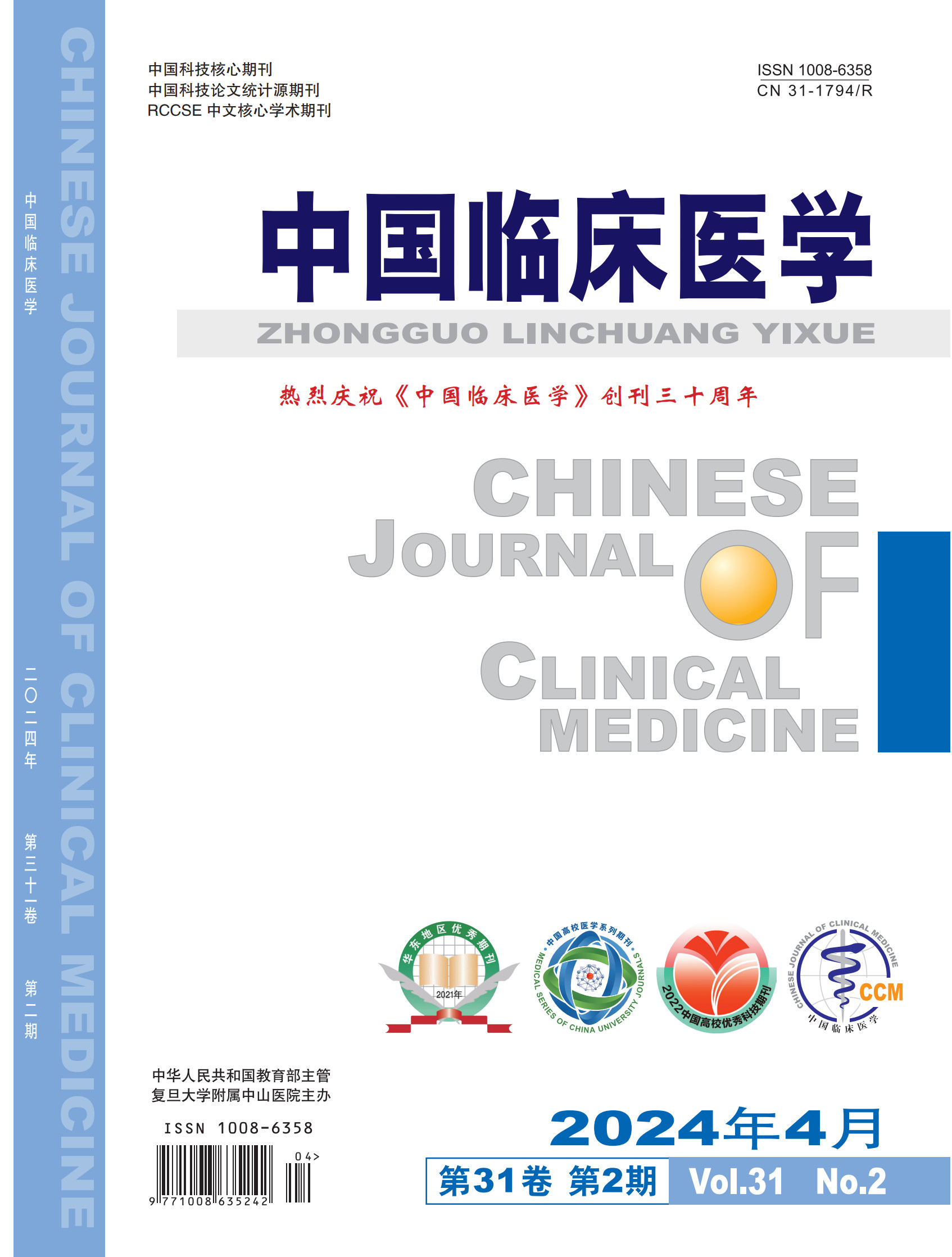
Chinese Journal of Clinical Medicine

1994  (1,  1)  to  Present  ISSN: 1008-6358

Articles

About

Save Email

Sort by

Best match
Relevance
PubYear
JournalTitle

DISPLAY OPTIONS

Format:

Per page:

Save citations to file

Selection:

Format:

Create file Cancel

Email citations

To:

Please check your email address first!

Selection:

Format:

Send email Cancel

1089

results

page

of 109

1

Cite

Cite

Copy

Share

Share

Copy

Renal denervation in hypertension: debating the benefits and limitations

Ningling SUN

Chinese Journal of Clinical Medicine.2025;32(6):917-924. doi:10.12025/j.issn.1008-6358.2025.20250229

After more than 10 years of development, renal denervation (RDN) has become an interventional method for the treatment of hypertension. As the “third pillar” of hypertension management, the research and development process has been bumpy and long, with controversies, challenges and consensus. In terms of different views on basic theory, technology and efficacy evaluation, it is suggested to take science and data as the criterion in disputes, keep a clear mind, and obtain consensus from practice.

2

Cite

Cite

Copy

Share

Share

Copy

Renal denervation treatment for hypertension: review of clinical evidence and latest advances

Tzungdau WANG

Chinese Journal of Clinical Medicine.2025;32(6):925-933. doi:10.12025/j.issn.1008-6358.2025.20250622

Based on clinical evidence, catheter-based renal denervation (RDN) has been proven to significantly reduce various blood pressure measurements, including office blood pressure, home blood pressure, and 24-hour ambulatory blood pressure, regardless of whether patients are treated with antihypertensive medications. Multiple large randomized sham-controlled trials have confirmed the safety and efficacy of RDN, showing particularly excellent results in Asian populations. Several sham-controlled radiofrequency RDN trials conducted in Chinese populations have been published, showing that the reduction in 24-hour ambulatory systolic blood pressure in Chinese populations (approximately -9 mmHg) is superior to that observed in Western trials. Additionally, long-term follow-up studies in China have shown that radiofrequency RDN continues to reduce blood pressures for up to ten years. The best indicators for evaluating RDN efficacy are, in order: morning home blood pressure, nighttime (asleep) blood pressure monitoring, and morning trough office blood pressure. Considering Asian blood pressure characteristics, RDN’s long-term efficacy, and its advantages in 24-hour blood pressure control, RDN should be considered an effective option for Asian hypertensive patients. Currently, China and several other Asian countries and regions have approved RDN for clinical use, and corresponding guidelines have endorsed RDN as an effective treatment option for uncontrolled and resistant hypertension.

3

Cite

Cite

Copy

Share

Share

Copy

Research progress and future directions of mesh basket-like six-electrode renal denervation system autonomic nerves modulation

Yueping LI ; Yujie ZHOU

Chinese Journal of Clinical Medicine.2025;32(6):934-940. doi:10.12025/j.issn.1008-6358.2025.20250087

The aim of this paper is to present the basic principles of the mesh basket-like six-electrode renal denervation (RDN) system, research progress in anti-hypertensive therapy and modulation of autonomic nerves for the treatment of diseases. It discusses the advances in system design, operational optimization and expansion of clinical applications, as well as the challenges faced. The future prospects of personalized autonomic nerves modulation for the treatment of diseases are also discussed.

4

Cite

Cite

Copy

Share

Share

Copy

Ultrasound renal denervation to treat hypertension: current status and clinical prospects

Wenxu LIU ; Jing HUANG

Chinese Journal of Clinical Medicine.2025;32(6):941-945. doi:10.12025/j.issn.1008-6358.2025.20250637

In recent years, renal denervation (RDN), as an innovative minimally invasive treatment method, has made remarkable progress in technological development and clinical research, becoming one of the “three carriages” in the clinical treatment of hypertension. This paper reviews the technical characteristics of ultrasound ablation RDN devices, including circumferential ablation catheter systems, planar ultrasound catheter systems, and extracorporeal focused ultrasound systems, and analyzes the efficacy and safety of related clinical trials. Ultrasound ablation RDN has advantages such as strong tissue penetrability and high treatment precision, but it also faces technical challenges. Future development directions include the integration of nerve mapping technology and the optimization of non-invasive RDN treatment.

5

Cite

Cite

Copy

Share

Share

Copy

New progress and reposition of renal denervation

Yuehui YIN ; Guozhe SUN ; Peilin XIAO ; Yingxian SUN

Chinese Journal of Clinical Medicine.2025;32(6):946-948. doi:10.12025/j.issn.1008-6358.2025.20250463

This paper systematically reviews the decade-long evolution of renal denervation (RDN), analyzing its paradigm shift from anatomical ablation to targeted neuromodulation. This paper focuses on breakthroughs in renal nerve mapping pioneered by Chinese scholars, discusses the clinical value of diverse energy platforms and novel catheter designs, and addresses existing challenges such as quantification of ablation energy, therapeutic heterogeneity, and health economics. A future blueprint integrating neuroimaging navigation and artificial intelligence for precision therapy is proposed, emphasizing strategic significance of RDN in holistic hypertension management and establishing a new paradigm for autonomic neuromodulation in cardiovascular diseases.

6

Cite

Cite

Copy

Share

Share

Copy

Principle and characteristics of the mapping/selective renal denervation system and its research progress in hypertension treatment

Li WANG ; Xiaoqiang SUN ; Chengzhi LU

Chinese Journal of Clinical Medicine.2025;32(6):949-952. doi:10.12025/j.issn.1008-6358.2025.20250548

Renal denervation (RDN) as an interventional approach for treating refractory hypertension has developed a variety of ablation strategies and different energy ablation techniques. This article reviews the principles, characteristics, clinical advantages, and the latest research progress of mapping/selective RDN system. Selective RDN identifies “hot spots” (sympathetic nerve-rich points) through renal nerve stimulation (RNS) for targeted ablation, while avoiding “cold spots” (parasympathetic nerve-rich points) and “neutral points”, achieving more precise sympathetic nerve regulation. Animal experiments and clinical studies have shown that mapping/selective RDN can more effectively lower blood pressure, achieve blood pressure targets, and reduce the burden of antihypertensive drugs (reducing the drug index by 3.25). Mapping/selective RDN system provides a personalized solution for hypertension treatment, improving treatment efficiency and reducing complications.

7

Cite

Cite

Copy

Share

Share

Copy

The effect of renal denervation on patients with heart failure treated by guideline-directed management and therapy

Mingyang XIAO ; Xian YANG ; Xue KUANG ; Wenjiang CHEN ; Jie YANG ; Yuehui YIN

Chinese Journal of Clinical Medicine.2025;32(6):953-959. doi:10.12025/j.issn.1008-6358.2025.20250101

Objective To explore whether renal denervation (RDN) could improve the left ventricular ejection fraction (LVEF) of patients with heart failure (HF) on the basis of guideline-directed management and therapy (GDMT). Methods From January 1, 2023 to August 31, 2024, HF patients diagnosed as dilated cardiomyopathy (DCM) who underwent RDN in the Second Affiliated Hospital of Chongqing Medical University were retrospectively enrolled, all patients had received GDMT for at least three months but the LVEF remained below 55%. Parameters of transthoracic echocardiography (TTE) at baseline, during GDMT, and after RDN were compared to analyze whether RDN can further improve the LVEF of patients on the basis of GDMT. Results A total of 7 HF patients diagnosed with DCM were enrolled, the mean age was (52.86±9.86) years old, and 5(71.4%) were male. After an average of (9.29±8.06) months of GDMT, LVEF significantly increased from baseline (34.86%±10.22%) to (44.57%±5.59%, P=0.024).Three months after RDN, LVEF was further significantly improved (54.43%±9.05%, P=0.026). The average follow-up after RDN was (11.00±4.12) months. The LVEF remained stable (54.86%±7.10%, P=0.805), and no adverse events occurred in the patients. Conclusions RDN can further enhance the LVEF of HF patients on the basis of GDMT.

8

Cite

Cite

Copy

Share

Share

Copy

Analysis of clinicopathological features and prognostic factors in young female patients with gastric adenocarcinoma

Wenchao JIANG ; Xiangfei SUN ; Ran XIONG ; Xiaodong GAO

Chinese Journal of Clinical Medicine.2025;32(6):960-966. doi:10.12025/j.issn.1008-6358.2025.20250971

Objective To analyze the clinicopathological characteristics and survival prognosis of young female patients with gastric adenocarcinoma. Methods A retrospective analysis was conducted on female patients who underwent radical gastrectomy at Zhongshan Hospital, Fudan University between January 2014 and December 2020, with postoperative pathological confirmation of gastric adenocarcinoma. Those aged ≤45 years were defined as the young group (n=287), and were matched in a 1∶2 ratio by pTNM stage with female patients aged ≥60 years (elderly group, n=574). Clinicopathological characteristics were compared between the two groups. Survival curves were plotted using the Kaplan-Meier method, and overall survival (OS) rates were assessed by log-rank test. Prognostic factors in the young group were analyzed using Cox regression models. Results Compared to elderly patients, young female gastric cancer patients exhibited a higher prevalence of tumors in the middle third of the stomach and a lower proportion in the upper third of the stomach. Molecular profiling revealed a higher frequency of HER2-low expression and elevated Ki-67 index. Pathologically, these patients were more frequently diagnosed with poorly differentiated or undifferentiated adenocarcinoma and signet ring cell carcinoma, while Lauren classification showed a predominance of the diffuse type with a lower proportion of the intestinal type (P<0.05). Stratified analysis showed no significant difference in OS rates between the two groups for stage Ⅱ and Ⅲ patients; however, among stage Ⅰ patients, the young group had significantly better OS rates than the elderly group (P=0.037). Multivariate Cox analysis and log-rank test confirmed that pN3 stage (HR=3.576, 95%CI 1.652–7.740), stage Ⅲ (HR=3.581, 95%CI 1.059–12.106), and diffuse type (HR=2.711, 95%CI 1.316–5.585) were risk factors for poor prognosis in young female gastric cancer patients. Conclusions Young female patients with gastric adenocarcinoma typically present with clinicopathological features such as the diffuse type, poor differentiation, and high proliferation. Moreover, pN3 stage, stage Ⅲ cancer, and the diffuse type histology are correlated with a poor prognosis in this demographic.

9

Cite

Cite

Copy

Share

Share

Copy

Influence of blood pressure level on optical coherence tomography angiography parameters in patients with essential hypertension

Jinbao MA ; Kai CAO ; Guohong WANG ; Mingzhao QIN ; Xue JIANG ; Caixia GUO ; Yu HE ; Yongpeng ZHANG ; Qi LIU

Chinese Journal of Clinical Medicine.2025;32(6):967-972. doi:10.12025/j.issn.1008-6358.2025.20251092

Objective To analyze the changes in optical coherence tomography angiography (OCTA) parameters in patients with essential hypertension,and to explore the effect of blood pressure on OCTA parameters. Methods A total of 164 patients with essential hypertension were selected and divided into controlled blood pressure group (n=92) and uncontrolled blood pressure group (n=72). OCTA examination was performed on the optic disc and macula of all patients, and the right eyes were selected for analysis. Results There were no significant differences in retinal nerve fiber layer (RNFL) thickness, radial peripapillary capillary (RPC) total vascular density, RPC total small vessel density, perifovea superficial capillary plexus (SCP) vascular density, and perifovea deep capillary plexus (DCP) vascular density between the two groups of patients. There were no significant differences in foveal avascular zone (FAZ) area, FAZ diameter, and fovea retinal thickness between the two groups of patients. The density of the parafovea SCP, parafovea DCP, and fractal dimension (FD) in the uncontrolled blood pressure group were significantly lower than those in the controlled blood pressure group (P<0.05). Multiple linear regression analysis showed that elevation of blood pressure was a independently related factor of reduced parafovea DCP density (P=0.026), while there was no correlation between the uncontrolled blood pressure and parafovea SCP density and FD level. Conclusions The blood pressure level is correlated with the parafovea DCP density, while has no correlation with other OCTA parameters in hypertension patients.

10

Cite

Cite

Copy

Share

Share

Copy

The predictive value of radiomics for postoperative prognosis of pancreatic ductal adenocarcinoma patients

Siyang HAN ; Yaolin XU ; Tianwei XU ; Yefei RONG ; Wenhui LOU ; Dansong WANG

Chinese Journal of Clinical Medicine.2025;32(6):973-981. doi:10.12025/j.issn.1008-6358.2025.20250359

Objective To explore the predictive value of radiomics for postoperative pancreatic fistula, infection, and long-term survival in patients with pancreatic ductal adenocarcinoma (PDAC). Methods 206 patients who received radical resection of pancreatic cancer in Zhongshan Hospital, Fudan University from January 2014 to December 2020 and were pathologically confirmed as PDAC after surgery were retrospectively selected, all of whom had complete surgical data and long-term follow-up data. Pyradiomics was used to analyze the enhanced CT images of all patients and extract radiomics features. LASSO dimensionality reduction combined with logistic regression analysis was used to construct a predictive model for pancreatic fistula and abdominal infection after PDAC surgery, and evaluating the model’s effectiveness using ROC curves. A long-term survival prediction model for PDAC patients was constructed using LASSO dimensionality reduction combined with Cox regression analysis, and patient risk scores were calculated. The patients were divided into high-risk and low-risk groups based on the median, and the survival curves were compared to evaluate the effectiveness of the model. The imaging omics features with the highest weight were divided into high expression group and low expression group according to the median, and the prognostic differences and clinical features were compared. Radiomics and clinical features were combined to analyze the influencing factors of long-term prognosis and construct a clinical imaging comprehensive model. Results A total of 1 595 radiomics features were extracted. A predictive model for pancreatic fistula and infection after PDAC surgery was constructed, with AUC values of 0.81 and 0.79, respectively. The PDAC long-term survival prediction model was successfully constructed, and the prognosis of the high-risk group was worse than that of the low-risk group (P<0.001). The weight of the radiomics feature “log-sigma-5-mm-3D_glszm_ZonePercentage” was 59.557. The CA19-9 level in the high expression group is higher than that in the low expression group (P=0.017), and there is a statistically significant difference in survival curves between the two groups (P=0.021). The comprehensive clinical imaging model suggested that age, AJCC stage, lymph infiltration, CA19-9 level and imaging characteristics were risk factors for long-term prognosis of PDAC patients (HR=1.028, 4.084, 2.566, 1.232 and 2.536). Conclusions The predictive model based on radiomics has good predictive performance for pancreatic fistula, infection, and long-term prognosis after PDAC surgery. Patients with high expression of the radiomics feature “log-sigma-5-mm-3D_glszm_ZonePercentage” face poorer prognosis.

Country

China

Publisher

Shanghai Chinese Clinical Medicine Press Co., Ltd.

ElectronicLinks

http://www.c-jcm.com

Editor-in-chief

Jia Fan

E-mail

zglcyx@vip.163.com

Abbreviation

Chin J Clin Med

Vernacular Journal Title

中国临床医学

ISSN

1008-6358

EISSN

Year Approved

2024

Current Indexing Status

Currently Indexed

Start Year

1994

Description

Chinese Journal of Clinical Medicine (ISSN 1008-6358), founded in 1994, is a peer-reviewed bimonthly journal of comprehensive medicine. It is supervised by the Ministry of Education of the People’s Republic of China, and is sponsored by Zhongshan Hospital, Fudan University. The editor-in-chief of the journal is Fan Jia, academician of Chinese Academy of Sciences, and a famous expert in hepatobiliary surgery. The aim of the journal is to report new achievements, new experiences, new technologies and new methods of clinical medicine all over the world, so as to promote the academic exchange of clinical medicine, serve the clinical medical research, and improve the clinical medical technology at home and abroad. Chinese Journal of Clinical Medicine mainly publishes original research papers in the fields of basic medicine, clinical medicine, preventive medicine, pharmacy and Chinese medicine, with various columns, including editorials, articles, short articles, techniques and methods, reviews, standard & glidelines and so on. The readers of the journal are experts, researchers, scholars and other personnels in the fields of medicine and health. As a leading publication in China, Chinese Journal of Clinical Medicine bridges the gap between Eastern and Western medical practices, providing a platform for healthcare professionals worldwide to share their knowledge and experiences. By publishing cutting-edge research articles, reviews, and case reports, the journal keeps readers informed about the latest developments in various fields of medicine. Furthermore, the journal’s commitment to open access publishing ensures that important medical information reaches a wider audience. By making research articles freely available online, Chinese Journal of Clinical Medicine democratizes knowledge, allowing anyone with an internet connection to access vital information that can improve lives. In addition, the journal’s rigorous peer-review process ensures that only high-quality research is published, maintaining the integrity of the medical profession. In conclusion, Chinese Journal of Clinical Medicine plays a significant role in the dissemination of healthcare information worldwide. Its commitment to publishing high-quality research, promoting cultural exchange, ensuring open access to information, maintaining ethical standards, advocating for evidence-based medicine and fostering global collaboration makes it an invaluable resource for healthcare professionals and patients. At present, Chinese Journal of Clinical Medicine is indexed in the following Chinese database: Chinese Scientific and Technical Papers and Citations Database (CSTPCD), Level A of Fudan University degree and Graduate Education Domestic Journals Guideline, A Guide to the Core Journal of China (2004 edition), the Database of Japan Science & Technology Agency (JST), China National Knowledge Infrastructure (CNKI), Wanfang Database, etc. Chinese Journal of Clinical Medicine is a member periodical of the International Society of Managing and Technical Editors (ISMTE). Besides, Chinese Journal of Clinical Medicine was awarded the Excellent Science and Technology Journals of Chinese Universities in 2016, 2018, 2020 and 2022; the Shanghai University Excellent Science and Technology Journals in 2016, 2018 and 2021; the Seventh Excellent Journal in East China in 2021.

Related Sites

WHO WPRO GIM

Help Accessibility
DCMS Web Policy
CJSS Privacy Policy

Powered by IMICAMS( 备案号: 11010502037788, 京ICP备10218182号-8)

Successfully copied to clipboard.