Main content 1 Menu 2 Search 3 Footer 4
+A
A
-A
High contrast
HOME JOURNAL CRITERIA NETWORK HELP ABOUT

Current criteria:

Regional:

WPRlM journal selection criteria(2023)

Minimum standards for the suspension and removal of WPRIM approved journals

Countries journal selection criteria:

Philippines

Submit your journal information>

Contact NJSCs>

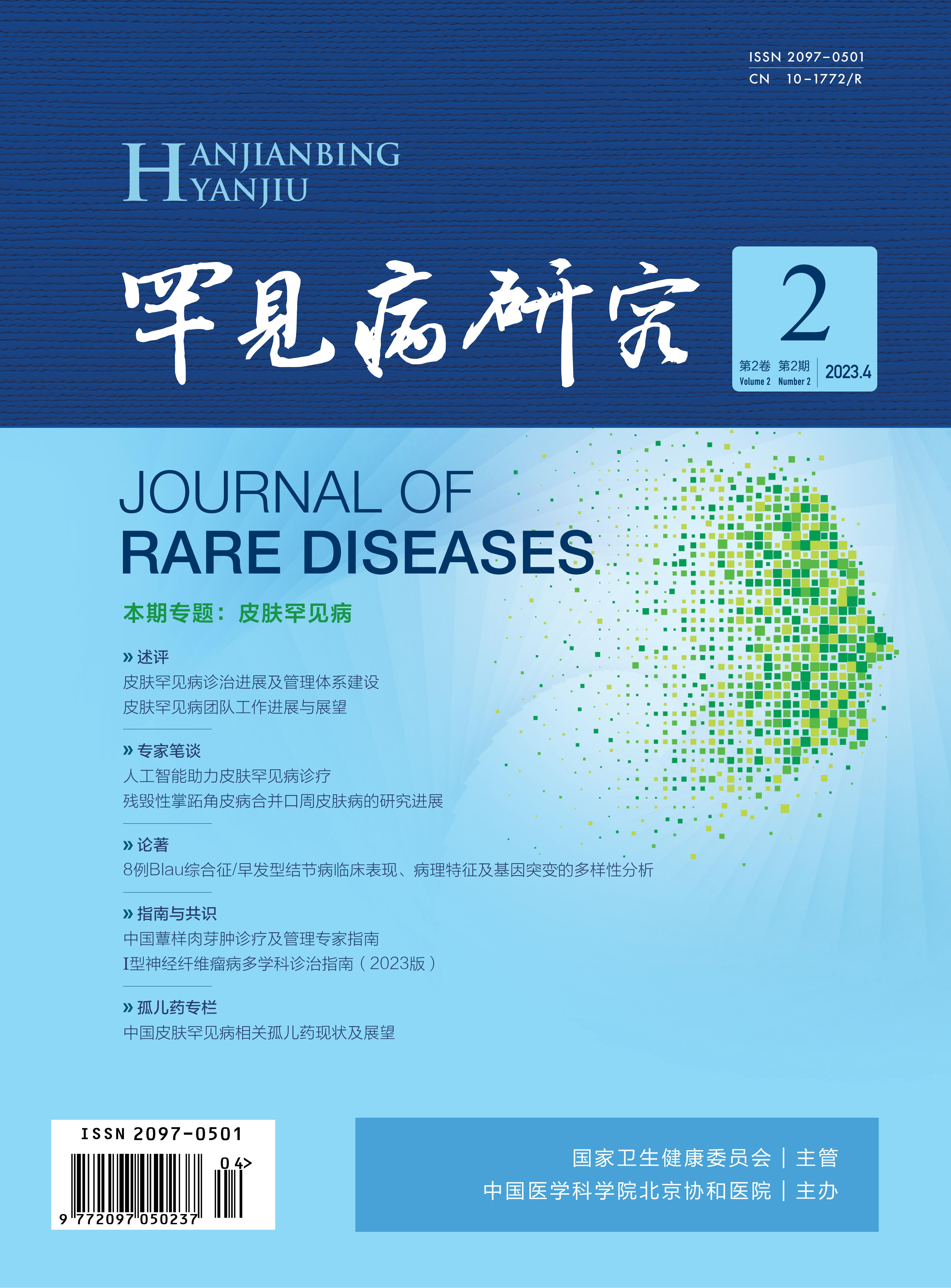
JOURNAL OF RARE DISEASES

2022  (1,  1)  to  Present  ISSN: 2097-0501

Articles

About

Year of publication

Save Email

Sort by

Best match
Relevance
PubYear
JournalTitle

DISPLAY OPTIONS

Format:

Per page:

Save citations to file

Selection:

Format:

Create file Cancel

Email citations

To:

Please check your email address first!

Selection:

Format:

Send email Cancel

278

results

page

of 28

1

Cite

Cite

Copy

Share

Share

Copy

Immune Deficiency and Autoinflammation, the " Yin" and " Yang" of the Immune System

Yu ZHOU ; Hongmei SONG

JOURNAL OF RARE DISEASES.2024;3(4):411-415. doi:10.12376/j.issn.2097-0501.2024.04.001

Inborn errors of immunity (IEI) are immune system disorders caused by genetic mutations, often presenting with varying degrees of infection, immune dysregulation, lymphoproliferation, and tumor susceptibility. Initially, IEIs were typically diagnosed in patients with recurrent and unusual infections. However increasing research has shown that noninfectious manifestations can also be the initial or even primary presentation of IEI. Over the past ten years, more and more IEIs associated with autoinflammatory symptoms have been identified. Although these diseases are rare, relevant research suggests that immune deficiency and autoinflammation are not opposing conditions but rather interconnected aspects of the immune system, influencing each other in a complementary and inseparable manner. This article reviews the mechanisms involved in IEI with autoinflammation, and proposes some clues for identifying IEI manifested as autoinflammation. It also summarizes the current progress in the diagnosis and treatment of IEI manifested as autoinflammation, and presents prospects for future research on IEI.


2

Cite

Cite

Copy

Share

Share

Copy

Progress Research in the Immune-Actinopathies and Pathogenic Genes

Shiyun MA ; Lina ZHOU ; Yunfei AN ; Xiaodong ZHAO

JOURNAL OF RARE DISEASES.2024;3(4):416-422. doi:10.12376/j.issn.2097-0501.2024.04.002

Immuno-actinopathies are hereditary diseases characterized by immunodeficiency and immune dysregulation due to the mutations in single genes which are regulating actin remodeling. Mutations in actin-related regulatory genes can lead to functional defects in actin activation, extension, branching, transcription and others. The mutations also affect the cytoskeleton and pseudopod formation; then they further affect the functions of immune cell, resulting in cell deformation, motility, phagocytosis, and adhesion. The clinical manifestations vary, including infection, autoimmunity, autoinflammatory, and susceptibility to tumors, making the detection and diagnosis difficult. The pathogenic mechanisms of some of the related diseases have been preliminarily elucidated. Future research will focus on the identification of new immunoactinopathy-caused genes and its mechanism, discovery of new precision therapeutic target, development of drugs, improvement of hematopoietic stem cell transplantation strategies, and discovery of new gene therapy. Immuno-actinopathies have a low incidence rate with diversified clinical manifestations so that they are easy to be misdiagnosed and missed. This article reviews the pathogenic gene defects of actinopathies and their clinical manifestations in detail that are valuable to clinical reference.


3

Cite

Cite

Copy

Share

Share

Copy

Renal Impairment Associated with Autoinflammatory Diseases

Shan JIAN ; Changyan WANG ; Caihui ZHANG ; Hongmei SONG

JOURNAL OF RARE DISEASES.2024;3(4):423-430. doi:10.12376/j.issn.2097-0501.2024.04.003

Kidney is one of the key target organs involved in autoinflammatory diseases (AIDs). The clinical manifestations of renal impairment associated with AIDs are diverse, including hematuria, proteinuria, nephrotic syndrome, hypertension, renal artery stenosis, renal insufficiency, and others. The pathogenesis is mostly renal amyloidosis and/or renal vasculitis/vasculopathy caused by inflammasome activation. Whether or not the kidney is involved and its degree is closely related to the prognosis of AIDs patients. This article introduces the pathogenesis of AIDs-related renal impairmen and highlights the clinical characteristics of renal damage in some AIDs, aiming to enhance clinicians′ understanding of AIDs-related renal damage, and to implement early diagnosis and treatment to improve patients′ quality of life and prognosis.


4

Cite

Cite

Copy

Share

Share

Copy

Research Progress in Diseases Caused by STAT1 Gain-of-Function Mutations

Linpeng LI ; Jing MA ; Hao GU ; Zhou SHU ; Huawei MAO

JOURNAL OF RARE DISEASES.2024;3(4):431-437. doi:10.12376/j.issn.2097-0501.2024.04.004

Signal transduction and activator of transcription factor 1(STAT1), one of the important members of the STAT family, is a key cytoplasmic transcription factor and an important component of the JAK-STAT signaling pathway. Gain-of-function mutations in STAT1 (STAT1-GOF) impaired the dephosphorylation of STAT1 protein, mediated the enhancement of cell signaling pathways such as type Ⅰ, Ⅱ, and Ⅲ interferon(IFN) and interleukins-27 (IL-27), IL-6, IL-10, and IL-17, and inhibited Th17 cells. The clinical manifestations of STAT1-GOF are diverse, including chronic mucocutaneous candidiasis and autoimmune diseases. For the treatment of STAT1-GOF, such as targeted therapy with ruxolitinib for STAT1 hyperphosphorylation, immunomodulatory therapy and hematopoietic stem cell transplantation for different self-immune systems, certain curative effects can be obtained. With the understanding of disease mechanisms and the discovery of new clinical phenotypes, this review focuses on the diseases caused by gain-of-function mutations of STAT1, and introduces the clinical manifestations and treatment progress of STAT1-GOF to promote the understanding of such diseases and their future diagnosis, treatment and research works.


5

Cite

Cite

Copy

Share

Share

Copy

Reform and Development of Rare Diseases Drug Evaluation and Approval in China

Guo HUANG ; Zhimin YANG ; Ling TANG ; Jie ZHANG ; Xing AI ; Geleng SE RI ; Tian ZHAO

JOURNAL OF RARE DISEASES.2024;3(4):438-445. doi:10.12376/j.issn.2097-0501.2024.04.005

Rare diseases have a significant and profound impact on society, the economy, and the healthcare system. The path to developing drugs for rare diseases is particularly arduous. Due to the small number of patients and limited market demand, pharmaceutical companies don′t have enough incentives and resources to invest in drug research and development. Additionally, the long development cycles, high costs, and high risks have led to a number of potential therapeutic drug failures at the early stages of development. This article summarizes a series of encouraging policies adopted by the National Medical Products Administration for rare diseases, which is an important public health issue, as well as the achievements in the review and approval of rare disease drugs in recent years. These policies have accelerated the approval process. Meanwhile, the policies ensure the safety and effectiveness of drugs and offer more treatment options and hopes to patients with rare diseases. With the continuous effort at optimizing the policy environment and the advancement of research and development technologies, China′s drug regulatory authorities will continue to focus on the clinical needs of rare diseases, to implement " patient-centered " approach to drug development, inject new vitality into the research and development of drugs of rare diseases, and offer more precise and effective treatment choices for patients with rare diseases.


6

Cite

Cite

Copy

Share

Share

Copy

Clinical Analysis of Four Patients with Schimke Immuno-Osseous Dysplasia and a Literature Review

Lingli HAN ; Yajuan DONG ; Bijun SUN ; Wenjie WANG ; Qinhua ZHOU ; Luyao LIU ; Jia HOU ; Xiaochuan WANG ; Jinqiao SUN

JOURNAL OF RARE DISEASES.2024;3(4):446-452. doi:10.12376/j.issn.2097-0501.2024.04.006

Objective

To have better clinical understanding of Schimke immuno-osseous dysplasia(SIOD) through analyzing the clinical features, treatment, and prognosis of four patients with SIOD.

Methods

We used retrospective analysis to analyze the clinical data of four patients who were diagnosed with SIOD at the Children′ hospital of Fudan University from May 2018 to June 2024.

Results

The onset of disease of the four patients of this study was in their early childhood or preschool. All four patients had lymphopenia. Two patients had proteinuria, and one patient has progressed to chronic renal failure. One patient presented with short stature. The treatment for the four patients was mainly by symptomatic supportive therapy and on prevention and delay of renal failure disease.

Conclusions

The patients with SIOD have different onset symptoms and progression of the disease.The treatment has not yet completely cured the disease. The clinical diagnosis and treatment of SIOD remains a challenge and needs further investigating.


7

Cite

Cite

Copy

Share

Share

Copy

A Case Report of Aicardi-Goutières Syndrome Type 7 Caused by IFIH1 Gene Mutation and a Literature Review

Min ZHAO ; Zhou SHU ; Tongxin HAN ; Yanhua FU ; Tianji GAO ; Huawei MAO

JOURNAL OF RARE DISEASES.2024;3(4):453-460. doi:10.12376/j.issn.2097-0501.2024.04.007

Objective

To explore the clinical and genetic features of Aicardi-Goutières syndrome (AGS) caused by IFIH1 gene mutation.

Methods

We analyzed the clinical features and genetic mutation results of a boy with AGS type 7 and conducted a retrospective review of the literature of the characteristics and clinical features of IFIH1 gene mutations in AGS type 7.

Results

In the case of this report, the patient, 13-year-old boy, exhibited gait abnormalities at age 3. As the condition was progressive, the boy has paraplegia of the lower limbs. The first brain MRI showed no lesions.Rehabilitation therapy in the past several years has shown no improvement.Recent brain CT revealed multiple intracranial calcifications. The whole-exome sequencing identified a heterozygous mutation in the IFIH1 gene (c.2159G > A, p.R720Q)- a known pathogenic mutation. Through review of the literature, we identified 69 cases of AGS type 7 (including the case reported here)which showed that skin and neurological system involvement are most commonly seen. Among these 69 patients, there were 30 different mutations in the IFIH1 gene, all of which are missense mutations. Seven patients had the same gene mutation as the boy in this study does, but their clinical features differed. In terms of treatment, Janus kainase(JAK) inhibitors are commonly used.Additionally, recent reports showed that tocilizumab treatment have been used for this condition.

Conclusions

AGS7 is a type of I interferonopathy. Growth retardation and nervous system involvement are the most prevalent.The condition usually involve the skin, blood system, digestive system, kidney, heart, and other organs. JAK inhibitors prove effective for this disease.


8

Cite

Cite

Copy

Share

Share

Copy

NLRP12-Associated Autoinflammatory Disease in Chinese Adult Patients: A Single-Centre Study

Junke MIAO ; Di WU ; Min SHEN

JOURNAL OF RARE DISEASES.2024;3(4):461-464. doi:10.12376/j.issn.2097-0501.2024.04.008


9

Cite

Cite

Copy

Share

Share

Copy

A Case Report of Multidisciplinary Management of a Patient with Schimke Immuno-Osseous Dysplasia

Juan DING ; Wei WANG ; Juan XIAO ; Yan ZHANG ; Huijuan ZHU ; Wen ZHANG ; Peng GAO ; Limeng CHEN ; Wei LYU ; Xuan ZOU ; Xiaoyi ZHAO ; Hongmei SONG ; Mingsheng MA

JOURNAL OF RARE DISEASES.2024;3(4):465-470. doi:10.12376/j.issn.2097-0501.2024.04.009

Schimke immuno-osseous dysplasia (SIOD)caused by SMARCAL1 gene mutations is a rare genetic disorder characterized by multi-system involvement, including T-cell dysfunction, skeletal dysplasia, disproportionate short stature, nephrotic syndrome, and kidney failure. This multidisciplinary consultation involved a 9-year-old boy with intrauterine growth retardation, presenting with short stature, T-cell lymphopenia, proteinuria, and degenerative bone and joint disease. Treatment primarily focused on symptomatic and supportive care. Through the multidisciplinary rare disease consultation, holistic support was provided to the patient, offering comprehensive care from various specialtiesx.We also aim to use this case report to enhance clinicians′ under-standing of SIOD and improve the management and treatment of rare diseases.


10

Cite

Cite

Copy

Share

Share

Copy

Consensus of Chinese Experts on the Diagnosis and Treatment of Type Ⅰ Interferonopathy

JOURNAL OF RARE DISEASES.2024;3(4):471-478. doi:10.12376/j.issn.2097-0501.2024.04.010

Type Ⅰ interferonopathy is an autoinflammatory disease that affects multiple systems, with a high disability and mortality rate. It profoundly impacts the quality of life of patients and poses a considerable burden on their families and society. Due to the broad spectrum of clinical phenotypes associated with this condition, early identification remains challenging. Delays in diagnosis and treatment can exacerbate the disease, making it difficult to reverse the conditions and adversely affecting the prognosis. Therefore, the Chinese Alliance of Pediatric Rheumatic & Immunologic Diseases and Chinese Pharmacists Association Rare Diseases Medication Working Committee has developed this consensus document to offer detailed recommendations pertaining to the definition, genetic categorization, clinical presentations, diagnostic approaches, and therapeutic management of type Ⅰ interferonopathy.


Country

China

Publisher

Editorial Office of Journal of Rare Diseases

ElectronicLinks

https://jrd.chard.org.cn/

Editor-in-chief

ZHANG Shuyang

E-mail

jrd@chard.org.cn

Abbreviation

J Rare Dis

Vernacular Journal Title

罕见病研究

ISSN

2097-0501

EISSN

Year Approved

2023

Current Indexing Status

Currently Indexed

Start Year

2022

Description

Hanjianbing Yanjiu /Journal of Rare Diseases(J Rare Dis, ISSN 2097-0501) is launched in January 2022. It is a peer-reviewed open access journal and publishes quarterly in Chinese.As an important window and academic exchange platform in the field of rare disease research in China, we are to aim at the international rare disease research frontier, comprehensively report the new trends, developments and achievements of rare disease basic and clinical research ,and orphan drug research and development, promote academic exchanges and cooperation in the prevention, diagnosis, treatment and guarantee of rare diseases, and provide a reference for policy makers, scientific and technological personnel and medical workers engaged in research on rare diseases.

Related Sites

WHO WPRO GIM

Help Accessibility
DCMS Web Policy
CJSS Privacy Policy

Powered by IMICAMS( 备案号: 11010502037788, 京ICP备10218182号-8)

Successfully copied to clipboard.