Main content 1 Menu 2 Search 3 Footer 4
+A
A
-A
High contrast
HOME JOURNAL CRITERIA NETWORK HELP ABOUT

Current criteria:

Regional:

WPRlM journal selection criteria(2023)

Minimum standards for the suspension and removal of WPRIM approved journals

Countries journal selection criteria:

Philippines

Submit your journal information>

Contact NJSCs>

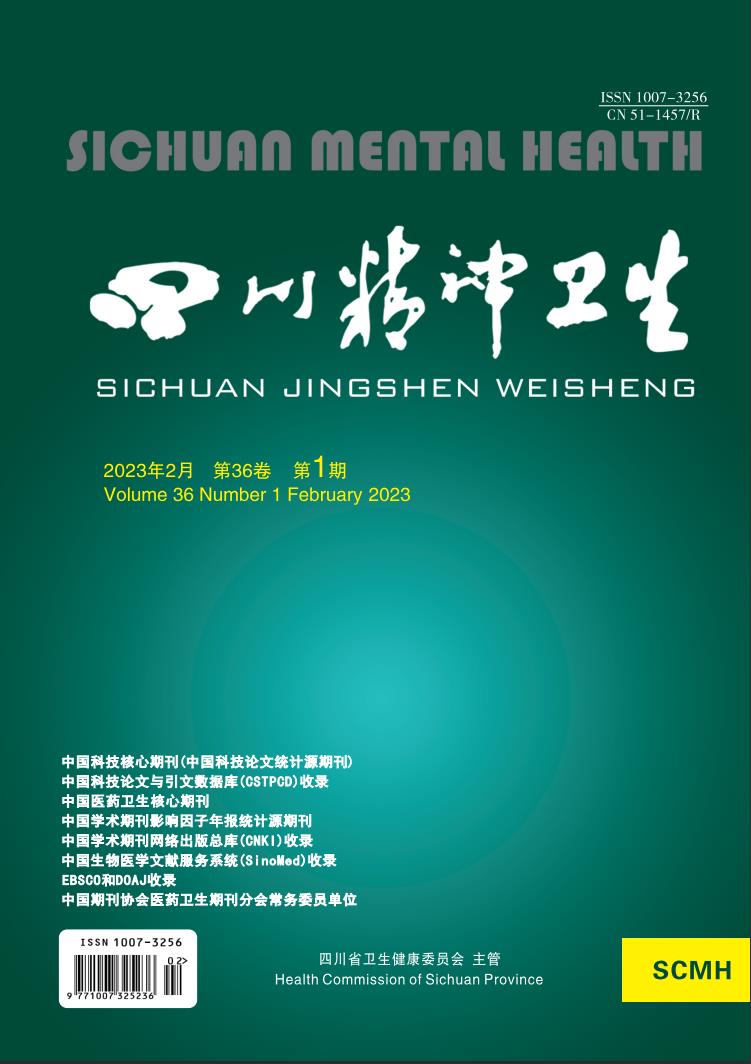
Sichuan Mental Health

2002 (v1, n1) to Present ISSN: 1671-8925

Articles

About

Year of publication

Save Email

Sort by

Best match
Relevance
PubYear
JournalTitle

DISPLAY OPTIONS

Format:

Per page:

Save citations to file

Selection:

Format:

Create file Cancel

Email citations

To:

Please check your email address first!

Selection:

Format:

Send email Cancel

478

results

page

of 48

1

Cite

Cite

Copy

Share

Share

Copy

Complex systems approach to mechanisms of depression, anxiety, and psychological interventions strategies

Mo CHEN ; Songli RUAN ; Xinghua LIU

Sichuan Mental Health.2025;38(2):97-101. doi:10.11886/scjsws20250304004

Systems theory emphasizes the multidimensional interactions among elements within a system and their dynamic changes over time, to provide a crucial theoretical framework and analytical tools for investigating the onset and evolution of mental disorders. From a complex systems perspective, this review examines the influence of multi-factor interaction networks on the development of depressive and anxiety disorders, and reviews research progress on early-warning signals based on dynamical systems theory for symptom prediction. This study specifically examines two system-oriented psychological interventions: acceptance and commitment therapy (ACT) and mindfulness-based intervention for emotional distress (MIED). Building upon their respective psychopathological models, this review elucidates the multifactorial interaction of depressive and anxiety disorders at a transdiagnostic level, and further analyzes the mechanism through which core intervention strategies adjust the key factors to achieve clinical improvement. [Funded by General Projects of National Natural Science Foundation of China (number, 32371138)]

2

Cite

Cite

Copy

Share

Share

Copy

Psychodrama group therapy based on family parenting intervention for parents of adolescents with depressive disorder: a qualitative study

Hong CHEN ; Lijun CHA ; Yuhan WANG ; Xiaohong YANG ; Hua HU

Sichuan Mental Health.2025;38(2):102-107. doi:10.11886/scjsws20240902001

BackgroundFamily factors are known to play a critical role in the development, progression and prognosis of adolescent patients with depressive disorder. Psychodrama group therapy has the potential for bringing about positive change in individual growth and relationship repair, but there is currently insufficient research evidence for the effectiveness of psychodrama group therapy in promoting the recovery in depressive disorder in adolescents through improving the family parenting skills of their parents. ObjectiveTo explore the influence of psychodrama group therapy based on family parenting intervention on parents of adolescent patients with depressive disorder, so as to provide references for promoting the recovery for adolescent patients with depressive disorder. MethodsPurposive sampling was used to recruit adolescent patients who met the diagnostic criteria for depressive disorder of the International Classification of Diseases, tenth edition (ICD-10) and hospitalized in the psychiatric outpatient department of the First Affiliated Hospital of Chongqing Medical University from October 2023 to March 2024, and their parents (either mother or father) were taken as the study subjects. Psychodrama group therapy based on family parenting intervention was performed once a week for 6 consecutive weeks. After intervention, semi-structured interviews were conducted with parents who participated in the group, and the interviews were recorded. Content analysis method was employed to perform qualitative analysis on the interview recordings and verbatim transcripts. ResultsAfter receiving psychodrama group intervention based on family parenting, parents of adolescent patients with depressive disorder demonstrated improvement in emotional state, enhanced reflective ability and altered coping style, which were specifically manifested as reducing negative emotions, increasing positive emotions, reflecting on themselves, empathizing with others, adjusting cognition, changing the way of stress regulation, improving communication styles and actively seeking resources. ConclusionApplication of psychodrama group therapy based on family parenting intervention may improve emotional state, reflective ability and coping style of the parents of adolescent patients with depressive disorder. [Funded by Chongqing Education Commission Humanities and Social Science Research Project (number, 19SKGH018); Chongqing Social Science Planning Project (number, 2021WT29)]

3

Cite

Cite

Copy

Share

Share

Copy

Comparision of aripiprazole and risperidone in improving psychiatric symptoms among chronic schizophrenia patients

Jianfeng WANG ; Bangwen LIU ; Yanyan ZHANG ; Yanping XUE ; Liang GUO ; Yanhai WU

Sichuan Mental Health.2025;38(2):108-114. doi:10.11886/scjsws20240802003

BackgroundAtypical antipsychotics have been widely used in patients with chronic schizophrenia, and aripiprazole and risperidone are the most commonly used drugs. The mechanism of action of the two is different, while previous studies have provided insufficient credible evidence from multiple perspectives to support the comparative efficacy of the two drugs in improving symptoms in patients with chronic schizophrenia. ObjectiveTo compare the efficacy of aripiprazole and risperidone on the improvement of symptoms, prepulse inhibition (PPI), cognitive functioning and neurotrophic factors in patients with chronic schizophrenia, so as to provide effective treatment regimens for these patients. MethodsA total of 86 patients with chronic schizophrenia attending the psychiatry department of the Third People's Hospital of Fuyang from March 2021 to March 2023 and fulfilling the diagnostic criteria of International Classification of Diseases, tenth edition (ICD-10) were enrolled and grouped using random number table method, each with 43 cases. Aripiprazole group was given oral aripiprazole once daily at an initial dose of 5 mg for one week and then gradually increased to a maximum dose of 25 mg. Risperidone group received oral risperidone twice daily at an initial dose of 0.5 mg for one week and then gradually increased to a maximum dose of 3 mg. Treatment in both groups lasted 3 months. Before treatment and 3 months after treatment, Patients were required to complete Positive and Negative Symptom Scale (PANSS), detection of both strong and weak PPIs in a startle modification passive attention paradigm, Wisconsin Card Sorting Test (WCST) and the measurement of neurotrophic factors at baseline and after treatment. The adverse reactions were recorded. Analysis of covariance was used to test the difference between the PANSS score, PPI, WCST and neurotrophic factor levels of the groups, with the pretest used as the covariate. Results3 months after treatment, no statistical difference was found in the scores of PANSS general psychopathology subscale, positive symptom subscale, negative symptom subscale and total score between two groups after treatment (F=0.621, 0.815, 0.743, 0.752, P>0.05). There were no statistically significant differences between the two groups in PPI inhibition rate, single intense stimulus amplitude, single intense stimulus latency, prepulse inhibition amplitude, or prepulse inhibition latency (F=0.174, 0.001, 0.183, 0.171, 0.001, P>0.05). There was no statistically significant difference in the total number of WCST tests between two groups (F=0.512, P>0.05), whereas aripiprazole group reported significantly larger total numbers of categories completed and correct responses as well as smaller total numbers of random errors and perseverative errors compared to risperidone group (F=3.737, 4.621, 4.892, 5.130, P<0.05). A significant increase in brain-derived neurotrophic factor (BDNF) and nerve growth factor (NGF) along with a reduction in glial fibrillary acidic protein (GFAP) were documented in risperidone group when compared to risperidone group (F=4.414, 3.781, 6.319, P<0.05). No significant difference was demonstrated in the incidence of adverse reactions between the two groups (χ2=0.261, P>0.05). ConclusionAripiprazole may be more beneficial than risperidone in improving cognitive functioning and neurotrophic factor levels in patients with chronic schizophrenia. [Funded by Scientific Research Project of Fuyang Municipal Health Commission in 2021 (number, FY2021-147)]

4

Cite

Cite

Copy

Share

Share

Copy

Causal relationship between gout and Alzheimer's disease: a two-sample Mendelian randomization analysis

Chuijia KONG ; Ying ZHANG ; Zhenkun TAN ; Junjiao PING ; Haibo ZHANG ; Jie ZHANG ; Jiali LUO ; Xinxia LIU

Sichuan Mental Health.2025;38(2):115-122. doi:10.11886/scjsws20240715001

BackgroundDementia seriously affects the quality of life and lifespan of elderly people, with Alzheimer's disease (AD) being the most common type of dementia. Previous studies have suggested that gout may reduce the risk of developing AD, but the causal relationship between the two still requires further research. ObjectiveTo investigate the potential causal relationship between gout and AD through a two-sample Mendelian randomization (MR) analysis, so as to provide references for the prevention and treatment of AD. MethodsData from Genome-Wide Association Studies (GWAS) extracted in 2024 were analyzed, using pooled data on gout (6 810 cases in the case group and 477 788 cases in the control group) published by UK Biobank in 2021 as the exposure variable, and data on AD (3 899 cases in the case group and 214 893 cases in the control group) published by FinnGen in the same year as the outcome variable. The inverse-variance weighted, MR-Egger regression, weighted median estimation, simple model and weighted model were used to analyze the potential causal relationship between gout and AD. Pleiotropic effects were assessed using MR-Egger regression. Heterogeneity assessment was conducted using Cochran's Q test. The leave-one-out analysis was carried out for sensitivity analysis. And a funnel plot was drawn to detect potential publication bias. ResultsThe inverse-variance weighted analysis demonstrated a negative causal relationship between gout and AD (OR=0.004, 95% CI: 0~0.700, P<0.05). The plot resembled a symmetrical inversed funnel, indicating the absence of publication bias. No heterogeneity was detected by Cochran's Q test. The MR-Egger regression indicated no significant horizontal pleiotropy. Concerning the reverse directions, no significant associations between AD and gout were noted. ConclusionThere is a negative causal relationship between gout and AD, with gout potentially reducing the risk of developing AD. [Funded by The Third Batch of Social Welfare and Basic Research Projects (Medical and Health) of Zhongshan City in 2022 (number, 2022B3017)]

5

Cite

Cite

Copy

Share

Share

Copy

Causal relationship between mental disorders and hypercholesterolemia: a Mendelian randomization analysis

Qian ZOU ; Ni TANG ; Huanhui LIU ; Hanjing ZHANG ; Xiaojie MA

Sichuan Mental Health.2025;38(2):123-130. doi:10.11886/scjsws20240723003

BackgroundMetabolic syndrome (MetS) is highly prevalent in patients with mental disorders, including elevated diastolic or systolic blood pressure, elevated fasting glucose, hypercholesterolemia, abdominal obesity and so on. As an important component of MetS, the relationship between hypercholesterolemia and mental disorder has been extensively reported, whereas few genome-wide association studies (GWAS) have been conducted to identify the causal role of mental disorders in hypercholesterolemia. ObjectiveTo explore the potential causal relationship between mental disorders and hypercholesterolemia by two-sample Mendelian randomization (MR) method. MethodsSummary data from GWAS were analyzed. Single nucleotide polymorphisms (SNPs) strongly associated with mental disorders were chosen as instrumental variables, and hypercholesterolemia was used as outcome variable. MR analysis utilized inverse-variance weighted (IVW), MR-Egger regression and weighted median estimation (WME) as the primary analytical tool, and supplemented by simple mode (SM) and weighted mode (WM). The causal relationship between mental disorders and the risk of hypercholesterolemia was illustrated in terms of odds ratio (OR). ResultsA total of 36 SNPs associated with mental disorders were identified as instrumental variables. The primary findings from IVW revealed existence of a causal relationship between mental disorders and hypercholesterolemia (IVW: OR=1.067, 95% CI: 1.026~1.109, P=0.001). Findings from the additional methods (MR-Egger regression, WME, SM, WM) were basically consistent with those reported in IVW method. Further verification indicated that the causal relationship between mental disorders and the risk of hypercholesterolemia was not affected by genetic polymorphism (P>0.05). The absence of heterogeneity was confirmed through Cochran's Q test and MR-Egger regression (P>0.05). Furthermore, no causal association in the reverse direction was found (P>0.05). ConclusionThere is a causal relationship between mental disorders and hypercholesterolemia, and patients with mental disorders may have an increased probability of suffering from hypercholesterolemia.

6

Cite

Cite

Copy

Share

Share

Copy

Management status and influencing factors of disease stabilization in patients with severe mental disorders in Luzhou City, Sichuan Province

Xuemei ZHANG ; Bo LI ; Benjing CAI ; Youguo TAN ; Bo XIANG ; Jing HE ; Qidong JIANG ; Jian TANG

Sichuan Mental Health.2025;38(2):131-137. doi:10.11886/scjsws20240813003

BackgroundSevere mental disorders represent a major public health concern due to the high disability rates and substantial disease burden, which has garnered significant national attention and prompted their inclusion in public health project management systems. However, credible evidence regarding the current status of disease management and factors influencing disease stabilization among patients with severe mental disorders in Luzhou City, Sichuan Province, remains limited. ObjectiveTo investigate the current management status of patients with severe mental disorders in Luzhou City, Sichuan Province, and to analyze influencing factors of disease stabilization among patients under standardized care, so as to provide evidence-based insights for developing targeted management strategies to optimize clinical interventions for this patient population. MethodsIn March 2023, data were extracted from the Sichuan Mental Health Service Comprehensive Management Platform for patients with severe mental disorders in Luzhou City who received management between December 2017 and December 2022. Information on mental health service utilization and clinical status changes was collected. Trend analysis was conducted to evaluate temporal changes in key management indicators for severe mental disorders in Luzhou City. Logistic regression analysis was employed to identify factors influencing the disease stabilization or fluctuation of these patients. ResultsThis study enrolled a total of 20 232 patients. In Luzhou City, the stabilization rate and standardized management rate of severe mental disorders were 94.89% and 79.36% in 2017, respectively, which increased to 95.33% and 96.92% by 2022. The regular medication adherence rate rose from 34.42% in 2018 to 86.81% in 2022. In 2022, the regular medication adherence rate was 71.80% for schizophrenia, 55.26% for paranoid psychosis, and 51.43% for schizoaffective disorder. Multivariate analysis identified the following protective factors for disease stabilization: age of 18~39 years (OR=0.613, 95% CI: 0.409~0.918), age of 40~65 years (OR=0.615, 95% CI: 0.407~0.931), urban residence (OR=0.587, 95% CI: 0.478~0.720), and regular medication adherence (OR=0.826, 95% CI: 0.702~0.973). Risk factors for disease fluctuation included poor (OR=1.712, 95% CI: 1.436~2.040), non-inclusion in care-support programs (OR=1.928, 95% CI: 1.694~2.193), non-participation in community rehabilitation (OR=2.255, 95% CI: 1.930~2.634), and intermittent medication adherence (OR=3.893, 95% CI: 2.548~5.946). ConclusionThe stability rate, standardized management rate, and regular medication adherence rate of patients with severe mental disorders in Luzhou City have shown a year-by-year increase. Age, household registration status, economic condition, medication compliance, and community-based rehabilitation were identified as influencing factors for disease fluctuation in these patients. [Funded by Luzhou Science and Technology Plan Project (number, 2022-ZRK-186)]

7

Cite

Cite

Copy

Share

Share

Copy

Construction of nursing quality evaluation index system of psychiatric closed wards in Sichuan Province

Chunlan BAI ; Zuowei LI ; Qiaoling LIAO ; Huan WANG ; Yali WANG

Sichuan Mental Health.2025;38(2):138-144. doi:10.11886/scjsws20240916001

BackgroundIn Sichuan Province, most healthcare institutions providing mental health services have adopted self-developed evaluation indicators for the quality of nursing care in psychiatric closed wards, lacking unified standards. This results in insufficient authority and homogeneity, which is unfavorable for the standardized assessment and continuous improvement of nursing quality. ObjectiveTo construct a standardized evaluation indicator system for nursing quality of psychiatric closed wards in Sichuan Province, so as to provide references for nursing quality management and assessment. MethodsBased on bio-psycho-social medical model and guided by "Structure-Process-Outcome" quality evaluation framework, preliminary evaluation indicators for nursing quality in psychiatric closed wards were developed through literature analysis, research team discussions and clinical experience. Through two rounds of Delphi expert consultation, the indicators were revised and finalized. ResultsThe response rates for two rounds of Delphi expert consultation questionnaire were 100%. The expert authority coefficients were 0.845 and 0.864, respectively, and the Kendall's coordination coefficients ranged from 0.119 to 0.210 (P<0.01). Ultimately, a nursing quality evaluation index system for psychiatric closed wards was established, comprising 3 first-level indicators, 9 second-level indicators and 46 third-level indicators. ConclusionThe nursing quality evaluation indicators for psychiatric closed wards constructed based on the Delphi method can provide references for nursing quality management and evaluation in such wards. [Funded by Research Project Fund of Sichuan Nursing Society (number, H20004); Sichuan Hospital Association Hospital Management Research Special Fund (number, YG2323)]

8

Cite

Cite

Copy

Share

Share

Copy

Relationship between parenting rearing behaviors and adolescent depression: the mediating role of rumination

Fangfang ZHANG ; Rui GAO ; Haiyan YANG

Sichuan Mental Health.2025;38(2):145-152. doi:10.11886/scjsws20240509001

BackgroundSeveral studies have confirmed that there is a relationship among parenting rearing behaviors, adolescent depression and rumination, moreover, rumination has been found to mediate the relationship between overall parenting rearing behaviors and adolescent depression, while little is known about the mediating role of rumination in the relationship between each dimension of parenting rearing behaviors and adolescent depression. ObjectiveTo explore the mediating role of rumination in the relationship between each dimension of parenting rearing behaviors and adolescent depression, so as to provide reference for the prevention of adolescent depression. MethodsIn March and April 2022, a stratified random sampling technique was utilized to select 302 students in grades 7 to 12 at a middle school in Ningxian county, Gansu Province as the research subjects. The Beck Depression Inventory-II of Chinese Version (BDI-II-C), short-form Egna Minnen av Barndoms Uppfostran (S-EMBU) and Ruminative Response Scale (RRS) were administered to all subjects. Pearson correlation coefficients were calculated. Amos 24.0 was used to check the presence of mediation effect. ResultsA total of 302 (94.08%) completed valid questionnaires. Correlation analysis indicated that the scores of both father's and mother's emotional warmth dimension in the S-EMBU were negatively correlated with the BDI-II-C scores (r=-0.424, -0.297, P<0.01), RRS total score (r=-0.347~-0.175, P<0.01) and RRS each factor score (r=-0.179~-0.285, P<0.01); the scores of both father's and mother's rejection dimension in the S-EMBU were positively correlated with the BDI-II-C scores (r=0.355, 0.248, P<0.01), RRS total score (r=0.262~0.358, P<0.01) and RRS each factor score (r=0.274~0.339, P<0.01); the scores of both father's and mother's overprotection dimension in the S-EMBU were positively correlated with the BDI-II-C scores (r=0.286, 0.245, P<0.01), RRS total score (r=0.175~0.333, P<0.01) and RRS each factor score (r=0.150~0.255, P<0.01). Rumination might mediated the relationship of father's emotional warmth, father's overprotection, mother's overprotection, and mother's rejection with adolescent depression, the effect value were -0.110, 0.221, -0.121, 0.136, and the effect size were 36.07%, 100.00%, 100.00%, 100.00%. ConclusionRumination may play a mediation role in the relationship of father's emotional warmth, father's overprotection, mother's overprotection, and mother's rejection with adolescent depression. [Funded by Shaanxi Provincial Key Research and Development Program (number, 2024SF-YBXM-078); Reaearch and Development Fund of the First Affliated Hoapital of Xi'an JiaoTong University (number, 2022HL-23)]

9

Cite

Cite

Copy

Share

Share

Copy

Relationship between acute stress response and depression among college students: the mediating role of rumination and the moderated role of perceived social support

Gui LUO ; Fenghui YUAN ; Yunjing MOU ; Haijun YU ; Jingjing LIANG ; Jiangbo DANG ; Bin GAO

Sichuan Mental Health.2025;38(2):153-158. doi:10.11886/scjsws20241220001

BackgroundDepression has become a public health concern that affects the physical and mental health of college students. acute stress response is a risk factor of depression. Exploring the relationship and mechanism between acute stress response and depression is of great significance for preventing and intervening depression in college students. ObjectiveTo examine the relationship between acute stress response and depression among college students, and to analyze the mediating role of rumination and the moderated effect of perceived social support, so as to provide references for the prevention and intervention of depression in college student . MethodsFrom March to April 2020, a cluster sampling method was employed to select 1 355 college students from three universities in Hubei, Jiangxi and Guangxi Zhuang Autonomous Region. Participants were assessed with Acute Stress Disorder Scale (ASDS), Ruminative Responses Scale (RRS), Brief form of Perceived Social Support Questionnaire (F-SozU) and Patients' Health Questionnaire Depression Scale-9 item (PHQ-9). Pearson correlation analysis was adopted to examine the correlation between the scores of each scale. The mediating role of rumination between acute stress response and depression and the moderated role of perceived social support were examined respectively by using Model 4 and Model 14 in Macro Program Process 3.3. ResultsA total of 1 303 valid questionnaires were collected, yielding a valid response rate of 96.16%. The results of Pearson correlation analysis showed that ASDS score was positively correlated with RRS score and PHQ-9 score (r=0.649, 0.528, P<0.01) among college students. The mediation analysis results demonstrated that rumination played a partial mediating role between acute stress response and depression, with the mediating effect value of 0.273 (95% CI:0.222~0.328), accounting for 68.59% of the total effect. Perceived social support played a moderated role in the latter path of the mediation model (rumination → depression) (β=-0.004, 95% CI: -0.017~-0.004, P<0.01). ConclusionRumination played a partial mediating role between acute stress response and depression in college students, and perceptive social support played a moderated role between rumination and depression. [Funded by Scientific Research Fund Project of Education Department of Yunnan Province (number, 2025J0437)]

10

Cite

Cite

Copy

Share

Share

Copy

Relationship between peer victimization and depressive symptoms among secondary vocational health school students: the chain mediating role of positive mental health and social media addiction

Houyi LI ; Chun XU ; Shasha HU ; Bo XIANG ; Kezhi LIU

Sichuan Mental Health.2025;38(2):159-165. doi:10.11886/scjsws20240802004

BackgroundStudents in secondary vocational health school are at the age of puberty and prone to depressive symptoms. Peer victimization and social media addiction are found to be crucial in influencing the development of depression, and positive mental health has been proven to alleviate depressive symptoms, whereas there remains a striking lack of research on the mediating role of positive mental health and social media addiction in the relationship between peer victimization and depressive symptoms among secondary vocational health school students. ObjectiveTo explore the relationship between peer victimization and depressive symptoms and investigate the mediating role of positive mental health and social media addiction, so as to provide references for the prevention of depression among secondary vocational health school students. MethodsFrom October to December 2020, a cluster sampling framework was utilized to recruit 7 307 students from a secondary vocational health school in Luzhou City, Sichuan Province. Assessments were performed using Multidimensional Peer Victimization Scale (MPVS), Warwick-Edinburgh Mental Well-being Scale (WEMWBS), Bergen Social Media Addiction Scale (BSMAS) and Patient Health Questionnaire Depression Scale-9 item (PHQ-9). Spearman correlation analysis was calculated to determine correlations between scores of scales, Process 4.0 was employed to test the mediation effect, and the bias-corrected Bootstrap procedure was used to test the significance of the mediation effect. ResultsA total of 7 044 (96.40%) valid questionnaires were collected. And 4 391(62.34%)students were found to have depressive symptoms. Correlation analysis revealed that PHQ-9 score was positively correlated with BSMAS score and MPVS score (r=0.404, 0.506, P<0.01). WEMWBS score was negatively correlated with PHQ-9 score, BSMAS score and MPVS score (r=-0.587, -0.259, -0.358, P<0.01). BSMAS score was positively correlated with MPVS score (r=0.328, P<0.01). Positive mental health played a mediating role in the relationship between peer victimization and depressive symptoms, with an indirect effect value of 0.130 (95% CI: 0.119~0.141), accounting for 30.81% of the total effect. Social media addiction also mediated the relationship between peer victimization and depressive symptoms, with an indirect effect value of 0.052 (95% CI: 0.045~0.059), accounting for 12.34% of the total effect. Positive mental health and social media addiction exhibited a chained mediation effect on the relationship between peer victimization and depressive symptoms, with an indirect effect value of 0.012 (95% CI: 0.010~0.014) and accounting for 2.84% of the total effect. ConclusionPeer victimization can affect the presence of depressive symptoms among secondary vocational health school students both directly and indirectly through either separate or chained mediation of positive mental health and social media addiction.

Country

China

Publisher

Editorial Office of Sichuan Mental Health

ElectronicLinks

http://www.psychjm.net.cn/

Editor-in-chief

TANG Xiangdong

E-mail

scjsws2022@126.com

Abbreviation

SCMH

Vernacular Journal Title

四川精神卫生

ISSN

1007-3256

EISSN

Year Approved

2023

Current Indexing Status

Currently Indexed

Start Year

1988

Description

Sichuan Mental Health was founded in 1988 and is an academic journal in the field of psychiatry (cn-51-1457 / R, issn1007-3256). Officially approved by the former National Science and Technology Commission, the journal is governed by Sichuan Provincial Commission of Health and sponsored by Sichuan Provincial Mental Health Center. Our mission is to lead research and innovation in psychiatric medicine, disseminate the latest achievements in psychiatric research, focus on clinical needs, and strive to improve the level of clinical practice, teaching, research and prevention in the field. The journal is currently being indexed by leading journal databases in China: China Core Journal (Selection) Database, SinoMed, Chinese Academic Journal Comprehensive Evaluation Database, Chinese Journal Full-text Database, China Chief Medical Network etc. If you are an author: The journal has opened up a "green channel" to speed up publication for the following article types: Articles of funded projects Prospective, multicenter, randomized controlled study with large sample Articles of preventive medicine and epidemiological investigation Basic experimental research on pathogenesis, development and prognosis of disease High quality cutting-edge comment, research and outlook The journal is setting up lists of "Excellent Authors" and "Authors of the Future". We look forward to working with excellent authors and plans to collaborate with Sichuan Mental Health Training Base to provide support to authors of great potential. The journal is honored to have a group of leading experts in mental health and related fields to review manuscripts and provide guidance. We welcome clinical nursing staff, researchers and postgraduate students in the field from hospitals, universities and scientific research institutes to submit manuscripts. If you are a reader: The journal values the needs of our readers. We welcome readers to send letters, raise questions and discuss with authors and editors. We look forward to your comments on published articles. We believe that open discussion is one of best ways to encourage the development of open science. If you are an expert: The journal is continuously improving our editorial board and the reviewers’ team. We expect prominent clinical and scientific researchers to join us as our reviewers, young reviewers and editorial board members. We will make joint efforts to promote the development of psychiatry. Please scan the QR code below to follow our WeChat or to join our QQ Group.

Related Sites

WHO WPRO GIM

Help Accessibility
DCMS Web Policy
CJSS Privacy Policy

Powered by IMICAMS( 备案号: 11010502037788, 京ICP备10218182号-8)

Successfully copied to clipboard.