Main content 1 Menu 2 Search 3 Footer 4
+A
A
-A
High contrast
HOME JOURNAL CRITERIA NETWORK HELP ABOUT

Current criteria:

Regional:

WPRlM journal selection criteria(2023)

Minimum standards for the suspension and removal of WPRIM approved journals

Countries journal selection criteria:

Philippines

Submit your journal information>

Contact NJSCs>

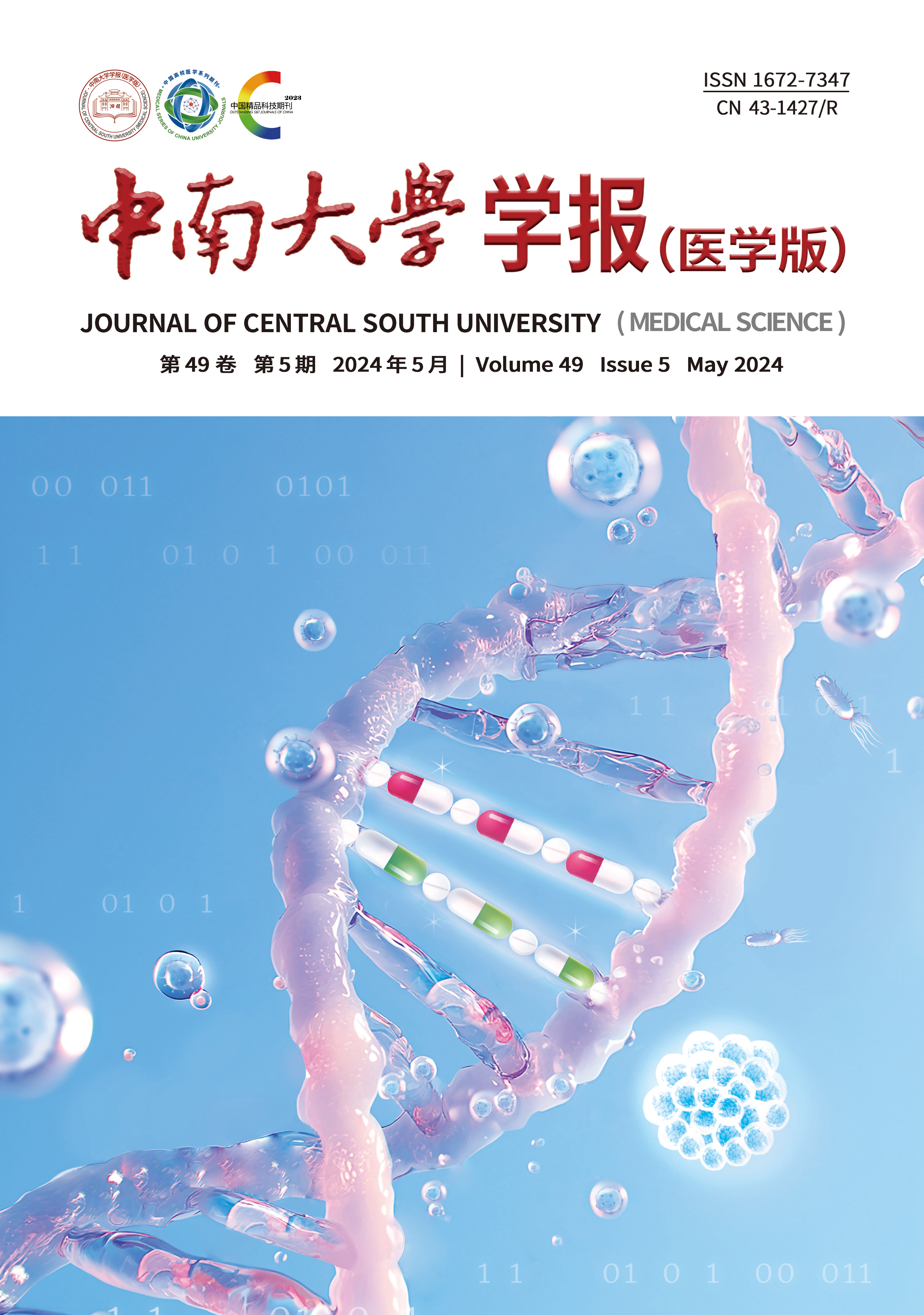
Journal of Central South University(Medical Sciences)

2002 (v1, n1) to Present ISSN: 1671-8925

Articles

About

Year of publication

Save Email

Sort by

Best match
Relevance
PubYear
JournalTitle

DISPLAY OPTIONS

Format:

Per page:

Save citations to file

Selection:

Format:

Create file Cancel

Email citations

To:

Please check your email address first!

Selection:

Format:

Send email Cancel

4063

results

page

of 407

1

Cite

Cite

Copy

Share

Share

Copy

Prospects of using organs and cells from pigs for transplantation into humans

G.groth CARL

Journal of Central South University(Medical Sciences).2007;32(1):20-25,封2.

Once pig organs can be transplanted into humans, transplantation will move into a new era. There will be unlimited access to undamaged organs, and cells for transplantation and, eventually, donation from deceased or live human beings will become obsolete. Furthermore, it will be possible to alleviate graft rejection, at least in part, by genetic modification of the source animal. Currently, there are three major obstacles to performing transplantations from pig to man: a powerful immune barrier, a potential risk of transmitting microorganisms, particularly endogenous retrovirus, and ethical issues related to the future recipients and to society at large. This article will first discuss the ongoing work with regards to overcoming the current obstacles. Also, the many potential advantages of using pig organs will be discussed in some detail. Furthermore, lessons learned from attempts at transplanting porcine cells to patients will be reviewed.

2

Cite

Cite

Copy

Share

Share

Copy

Soft tissue repairing and functional reconstruction in limb salvage operation on extremity bone malignant tumors

Min XU ; Dan PENG ; Hongchun PENG ; Xia CHEN ; Zheng LI ; Zhihong LI

Journal of Central South University(Medical Sciences).2010;35(3):267-272. doi:10.3969/j.issn.1672-7347.2010.03.013

Objective To investigate the effect and the significance of soft tissue repairing and functional reconstruction in limb salvage operation on extremity malignant bone tumors by individulized prosthesis replacement after malignant tumor resection with the help of Neo-adjuvant chemo-therapy. Methods A total of 78 patients with malignant bone tumor were recruited, including 42 males and 36 females. Aged 19~61, with an average of (29.12±9.47).Tumor in 14 patients was in the proximal humerus, 11 in the proximal femur, 27 in the distal femur, 3 in femoral middle part, and 23 in the proximal tibial. There were 29 cases of osteogenic sarcoma, 18 chondroma sarcomatosum, 7 maligant enchondroma with pathological fracture, 20 maligant giant cell tumor,and 4 maligant inflammatory myofibroblastoma of the bone. Soft tissue repairing and functional reconstruction were carried out together with individualized prosthesis replacement. The type of the prostheses was as follows: 14 patients had long stem humerus head prosthesis, 50 made hinged knee prostheses with femoral or tibial component, 3 whole femur replacements, 7 long stem femoral head prostheses, 4 long stem hip prostheses.Results All patients were followed up for an average of (26.80±8.06) months (4~37 months) and postoperative functions were estimated according to Enneking system. Among the 78 patients, results in 48 (61.5%) were excellent, 17(21.8%) were good,10 (12.8%) were fair,and 3(4.9%) were poor. The satisfactory rate was 83.3%. Conclusion Soft tissue repairing and functional reconstruction in limb salvage operation on extremity bone malignant tumors by individualized prosthesis replacement not only spare the limbs, but also keep their function.It can remove the psychologic obstacles caused by extremity absence, and is effective for bone malignant tumor.

3

Cite

Cite

Copy

Share

Share

Copy

Effect of aldosterone and its antagonist spironolactone on epithelial-mesenchymal transition of mormal rat kidney epithelial cells in high glucose

Kanghan LIU ; Qiaoling ZHOU ; Xiang AO ; Pouranan VEERARAGOO ; Xuemin HONG ; Zhou XIAO ; Mingxia YUAN

Journal of Central South University(Medical Sciences).2010;35(3):222-229. doi:10.3969/j.issn.1672-7347.2010.03.006

Objective To determine the effect of aldosterone and its antagonist, spironolactone on epithelial-mesenchymal transition (EMT) of normal rat kidney epithelial cells (NRK-52E) in a high glucose milieu,and to explore the mechanism of renoprotection in diabetic nephropathy (DN ) in rats involving aldosterone and spironolacton. Methods NRK-52E cells were simultaneously cultured in the serum-free Dulbecco's modification of Eagle's medium Dulbecco (DMEM) for 12 hours. Then the low glucose (LG) group was cultured in LG (1000 mg/L) DMEM:The high glucose (HG) group was cultured in high glucose (4 500 mg/L) DMEM. The aldosterone (Aldo) groups were cultured in high glucose DMEM with the addition of 10,50 and 100 nmol/L aldosterone respectively. The SP group was cultured in high glucose (4 500 mg/L) DMEM plus 10~(-7)mol/L spironolactone. Immunohistochemistry, RT-PCR and Western blot were used to detect E-cadherin and α smooth muscle actin(α-SMA) mRNA expression. Results RT-PCR showed that compared with the LG Group, E-cadherin mRNA expression in the HG group was significantly lower, and α-SMA mRNA expression was significantly increased(P<0.05). E-cadherin mRNA expression in the 50 nmol/L Aldo group and 100 nmol/L Aldo group was significantly lower than that in the HG group, while the expression of α-SMA mRNA was significantly increased in the HG group(P<0.05), with a dose-dependent relationship with aldosterone(r=-0.70,P<0.05;r=0.67, P<0.05). E-cadherin mRNA in the SP group was significantly higher,while α-SMA mRNA expression was lower than that in the HG group(P<0.01). Immunohistochemistry and Western blot showed that compared with the LG group, E-cadherin protein expression was significantly reduced, and α-SMA expression was significantly increased in the HG group(P<0.01). In the 10 nmol/L Aldo, 50 nmol/L Aldo, and the 100 nmol/L Aldo groups, E-cadherin protein expression was significantly lower, and α-SMA protein expression was significantly higher than that in the HG group(P<0.05), with a dose-dependent relationship with aldosterone(r=-0.83,P<0.05;r=0.81, P<0.05). In the SP group, E-cadherin protein expression was higher, and α-SMA protein level was lower than that in the HG group(P<0.05). Conclusion Aldosterone can promote EMT of tubular epithelial cells in a high sugar milieu, leading to renal interstitial fibrosis in Diabetic nephropathy. Spironolactone can inhibit high glucose-induced renal tubular epithelial cells EMT, which may be an important mechanism for the inhibition of renal interstitial fibrosis.

4

Cite

Cite

Copy

Share

Share

Copy

Effect of epidural drainage and dural tenting suture on epidural hematoma in 145 cases of craniotomy

Jie ZHAO ; Zhixiong LIU ; Yunsheng LIU ; Jinfang LIU ; Wenhua FANG ; Yihua RAO ; Liang YANG ; Xianrui YUAN

Journal of Central South University(Medical Sciences).2010;35(3):273-276. doi:10.3969/j.issn.1672-7347.2010.03.014

Objective To evaluate the efficacy of dural tenting suture and epidural drainage in craniotomy. Methods In 145 cases of intracranial lesions, dural tenting suture and epidural drainage were performed to prevent epidural hematoma. Results Postoperative computed tomography (CT) showed no epidural hematoma required surgery in both groups. Conclusion Both dural tenting suture and epidural drainage are effective in preventing epidural hematoma. Hemostasis is the key step. Dural tenting suture without epidural drainage relieves psychological stress. It decreases the risk of intracranial infection and avoids some unusual complications.

5

Cite

Cite

Copy

Share

Share

Copy

Ultrasound-mediated microbubble destruction enchances β-galactosidase gene transfection and expression in HKCs

Junxiang CHEN ; Yi LI ; Qiang MA ; Meichu CHENG ; Fuyou LIU ; Dongshan ZHANG ; Youming PENG

Journal of Central South University(Medical Sciences).2009;34(11):1070-1077.

Objective To investigate the efficiency and safety of ultrasound-mediated microbubble destruction in enhancing β-galactosidase gene (β-gal gene) transfer into human proximal tubular cells(HKCs). Methods β-gal gene was transfected to HKCs as a mark gene with ultrasound-mediated microbubble destruction. Cultured HKCs were grouped to receive the following 7 treatments respectively: ultrasound alone; microbubble alone; naked plasmid; ultrasound and plasmid; microbubble and plasmid; ultrasound, microbubble, and plasmid; and VigoFect and plasmid. In Group 6, HKCs were exposed to ultrasound under different sound intensities and time. X-gal stainning, typan blue stainning, and Hochest stainning were used to detect the transfection efficiency, cell survival rate, and cell apoptosis rate, respectively.Results β-galactosidase expression could be observed in the ultrasound-mediated microbubble destruction groups. Along with the increasing of sound intensity and exposure time, the cell survival rate of HKCs decreased, and the cell apoptosis rate increased gradually. The transduction efficiency and survival rate in middle intensity (0.3 W/cm~2×60 s) of ultrasound exposure were higher than those of other groups, similar to those of Group 7.Conclusion Under optimum sound intensity and exposure time, ultrasound-mediated microbubble destruction can increase gene transfer into HKCs. This non-invasive gene transfer method may be a useful tool for clinical gene therapy.

6

Cite

Cite

Copy

Share

Share

Copy

Effect of valsartan on ultrastructure in the brain tissue and expression of Klotho gene in spontaneously hypertensive rats

Xiangmin LI ; Qiaoling ZHOU

Journal of Central South University(Medical Sciences).2010;35(3):254-261. doi:10.3969/j.issn.1672-7347.2010.03.011

Objective To observe the effect of valsartan on brian ultrastructure, Klotho gene and micro-inflammatory factor [intercellular adhesion molecule-1(ICAM-1) and vascular cell adhesion molecule-l(VCAM-1)] expression in spontaneously hypertensive rat models. Methods Ten male spontaneously hypertensive rats of 22 weeks age were selected and randomly divided into a hypertension group and a valsartan intervention group, while another 5 Wistar-kyoto rats were set as a normal contrast group. The brain ultrastructure of the 2 groups was observed by electron microscope. The expression of micro-inflammatory factor (ICAM-1 and VCAM-1)and Klotho gene was detected with RT-PCR, immunohistochemistry, and Western blot, respectively. Results The cerebral neuron damage of spontaneously hypertensive rats whose ultrastructure showed cell-pyknosis, chromatin margination and typical apoptotic body formation were alleviated after the intervention of valsartan. RT-PCR showed that the gene expression of Klotho increased while ICAM-1 and VCAM-1 decreased after valsartan intervention. Immunohistochemistry and Western blot also showed that the protein expression of Klotho increased, while ICAM-1 and VCAM-1 decreased after valsartan intervention. ConclusionValsartan can improve the brain ultrastructure of spontaneously hypertensive rats by increasing the expression of Klotho.

7

Cite

Cite

Copy

Share

Share

Copy

Value of promoter methylation of RASSF1A, p16, and DAPK genes in induced sputum in diagnosing lung cancers

Zaimei PENG ; Changting SHAN ; Huifang WANG

Journal of Central South University(Medical Sciences).2010;35(3):247-253. doi:10.3969/j.issn.1672-7347.2010.03.010

Objective To determine the aberrant methylation status of RASSF1A,p16 and DAPK gene promoter region in induced sputum from lung cancer patients and the value of their combined detection in diagnosing lung cancers. Methods Methylation-specific PCR (MSP) was used to detect the promoter methylation status of RASSF1A,p16, and DAPK genes in induced sputum and pathological tissues from 82 patients with lung cancers and 25 patients with pulmonary benign lesion.We also analyzed the relation between methylation status and clinical pathological data.Results The positive rates of promoter methylation of RASSF1A,p16, and DAPK genes in pathological tissues from patients with lung cancers were 63.4%,59.8%, and 58.5%, respectively,and those in induced sputum were 54.9%,48.8%,and 51.2%, respectively. The promoter methylation of RASSF1A,p16, and DAPK genes were not detected in patients with pulmonary benign lesion.There was a significant difference between the lung cancer group and pulmonary benign lesion group (P<0.05). The methylation rate of RASSF1A gene was significantly lower in the middle and high differentiation and non-metastastic lymph node of lung cancer tissues than that in the poor differentiation and the metastatic lymph node of lung cancer tissues(P<0.05), and was not correlated with age, sex, smoking index, clinical stage, and pathological types.The methylation rate of p16, and DAPK genes was not significantly correlated with all the above mentioned factors (P>0.05). The methylation rate of joint detecting RASSF1A, p16, and DAPK genes was 73.2%. Conclusion Joint detection for promoter hypermethylation of RASSF1A, p16, and DAPK genes in induced sputum may be used as a simple and effective index of the diagnosis and prognose of lung cancers, and can improve the positive rate.

8

Cite

Cite

Copy

Share

Share

Copy

Expression of HLA-G protein in placental tissues and its influence on Th1/Th2 cytokines in peripheral blood in patients with intrahepatic cholestasis of pregnancy

Jing YI ; Yiling DING

Journal of Central South University(Medical Sciences).2010;35(3):241-246. doi:10.3969/j.issn.1672-7347.2010.03.009

Objective To investigate the changes of human leukocyte antigen-G (HLA-G) protein expression and Th1/Th2 type cytokines in intrahepatic cholestasis of pregnancy (ICP) and their relativity to the etiology of ICP. Methods Peripheral blood and placental tissues were obtained from 26 ICP patients (the ICP group) and 22 normal pregnant women (the NP group) in the operation room for Cesarean birth. Immunohistochemistry was used to detect the expression of HLA-G protein in the placental tissues. Meanwhile we tested the concentrations of tumor necrosis factor-α (TNF-α) and interleukin-4 (IL-4) by enzyme-linked immunosorbent assay (ELISA) in the peripheral blood and checked the levels of TBA in the serum.Results TBA level in the ICP group was (27.05±6.08) μmol/L, significant higher than that in the NP group (4.35±2.68)μmol/L (P<0.01). The positive expression of HLA-G protein in extravillous trophoblast in the ICP group was significantly lower than that in the NP group (P<0.01). The mean optical density (MOD) of positive expression of HLA-G protein in the placenta tissues in the ICP group (52.91±7.19) was significantly lower than that in the NP group (69.26±7.72) (P<0.01). The concentration of TNF-α was significantly higher in the ICP group (101.31±19.30) pg/mL than that in the NP group (54.51±23.72) pg/mL (P<0.01). The concentration of IL-4 was lower in the ICP group (22.16±6.55) pg/mL than that in the NP group (31.69±8.25) pg/mL (P<0.01). The ratio of TNF-α/IL-4 was higher in the ICP group (4.52±1.91) than that in the NP group (1.72±0.61) (P<0.01). There was a negative correlation between the MOD of HLA-G protein and TNF-α (r=-0.98, P<0.01) in the ICP group. No correlation with IL-4 and TNF-α/IL-4 was seen (P>0.05). There was a positive correlation between TBA and TNF-α (r=0.99, P<0.01), and a negative correlation between TBA and the MOD of HLA-G protein (r=-1.00, P<0.01) in the ICP group. No correlation with IL-4 and TNF-α/IL-4 was seen (P>0.05). Conclusion There is an imbalance of Th1/Th2 cytokines to the Th1 type in the peripheral blood of ICP patients. The expression of HLA-G protein in the placenta of ICP patients decreases, leading to an increase of Th1 type cytokines that may be one of the reasons for liver destroy in ICP.

9

Cite

Cite

Copy

Share

Share

Copy

Biopanning of HCV antigen epitopes from a random 12-peptide library by anti-hepatitis C virus polyclonal antibody

Min WANG ; Xianping LI ; Qinglin WANG ; Langui TANG

Journal of Central South University(Medical Sciences).2010;35(3):236-240. doi:10.3969/j.issn.1672-7347.2010.03.008

Objective To analyze the epitopes of anti-hepatitis C virus(HCV)antibodies by peptide library biopanning. Methods Phage random peptide library of 12 amino acids was immunoscreened with purified IgG from the sera of hepatitis C patients. Positive clones which were obtained after 3 rounds of biopanning were detected by ELISA and 4 of them were sequenced. Results After 3 rounds of screening, the radio of output to input increased from (4.6×10~(-4))% to (5.3×10~(-2))%, meaning the enrichment was effective. At the third round of screening, all the selected clones proved to specifically react with the sera for immunoscreening. Four positive phage clones were sequenced, which shared a very conservative sequence and was named as C1. Its inserting sequence in the coat protein III was deduced to be GSMSPYVRWYTP, and the positive rate of C1 reacted with 20 cases of HCV patients was 85%.Conclusion The antigen-mimic peptide C1 is successfully screened from 12 random phage peptide library and it has some diagnostic value.

10

Cite

Cite

Copy

Share

Share

Copy

Preparation and identification of monoclonal antibody against human testis development related gene 1

Jiaming WEN ; Xianzhen JIANG ; Yuxin TANG ; Jianfu YANG ; Houyang CHEN ; Zhizhong LIU

Journal of Central South University(Medical Sciences).2010;35(3):230-235. doi:10.3969/j.issn.1672-7347.2010.03.007

Objective To construct a prokaryotic plasmid to express the testis development related gene 1 (TDRG1) recombinant protein and obtain anti-TDRG1 mAb by immunizing mice, and to identify the biological properties of the mAb. Methods The coding sequence of TDRG1 was amplified by RT-PCR from normal human testis tissue and cloned into the vector pET21, and then was expressed in the E. coli BL 21(DE3) to get TDRG1 recombinant protein. The purified TDRG1 recombinant protein was injected to immunize the BALB/C mice to develop anti-TDRG1 mAb. Splenocytes of the immunized mice were collected and fused with the mouse myeloma cell line Sp2/0 cells. The hybridoma cells that secreted anti-TDRG1 mAb were subcloned with limited dilution. Enzyme-linked immunosorbent assay (ELISA) was used to evaluate titers and subtypes of mAb. Western blot and immunohistochemistry were used to detect specificity of mAb.Results The prokaryotic plasmid expressing the recombinant protein was constructed, and the TDRG1 recombinant protein was expressed and purified. Two hybridoma cell lines that secreted anti-TDRG1 mAb were obtained. The titer of the mAb in ascites was 1∶1.6×10~6, and the subtype of the mAb was IgG_1. Westem blot and immunohistochemistry analysis indicated the mAb showed specific combination with TDRG1 protein in human testes.Conclusion The TDRG1 recombinant protein is highly purified and has strong antigenicity. The anti-TDRG1 mAb is produced successfully.

Country

China

Publisher

中南大学

ElectronicLinks

http://xbyxb.csu.edu.cn/

Editor-in-chief

E-mail

xbyxb@csu.edu.cn

Abbreviation

Journal of Central South University(Medical Sciences)

Vernacular Journal Title

中南大学学报(医学版)

ISSN

1672-7347

EISSN

Year Approved

2009

Current Indexing Status

Currently Indexed

Start Year

1958

Description

历史沿革【现用刊名:中南大学学报(医学版);曾用刊名:湖南医学院学报;湖南医科大学学报;创刊时间:1958】,该刊被以下数据库收录【CA 化学文摘(美)(2009);Pж(AJ) 文摘杂志(俄)(2009);中国科学引文数据库(CSCD—2008)】,核心期刊【中文核心期刊(2008);中文核心期刊(2004);中文核心期刊(2000);中文核心期刊(1996)】,期刊荣誉【中科双效期刊;Caj-cd规范获奖期刊】。

Related Sites

WHO WPRO GIM

Help Accessibility
DCMS Web Policy
CJSS Privacy Policy

Powered by IMICAMS( 备案号: 11010502037788, 京ICP备10218182号-8)

Successfully copied to clipboard.